The CMAS Global Scientific Diver Program
The Global Passport for Underwater Science
One Course. Harmonized Standards. Unlimited Access.
At Connecticut Scuba Academy, we don't just teach you to document the underwater world; we prepare you to work in it. We are the only institution in the United States offering a dual-track program that certifies you for both AAUS (American Standards) and CMAS (Global Standards).
Most programs force you to choose between domestic recognition and international mobility. We give you both.
total cost $1800
The Dual-Track Advantage: One Course, Three Standards
Most scientific diving programs train you for a single jurisdiction. We train you for the world.
Our curriculum is Harmonized to satisfy the strict requirements of the three major governing bodies in underwater science. This ensures that your certification works wherever your research takes you.
1. The Global Standard (CMAS)
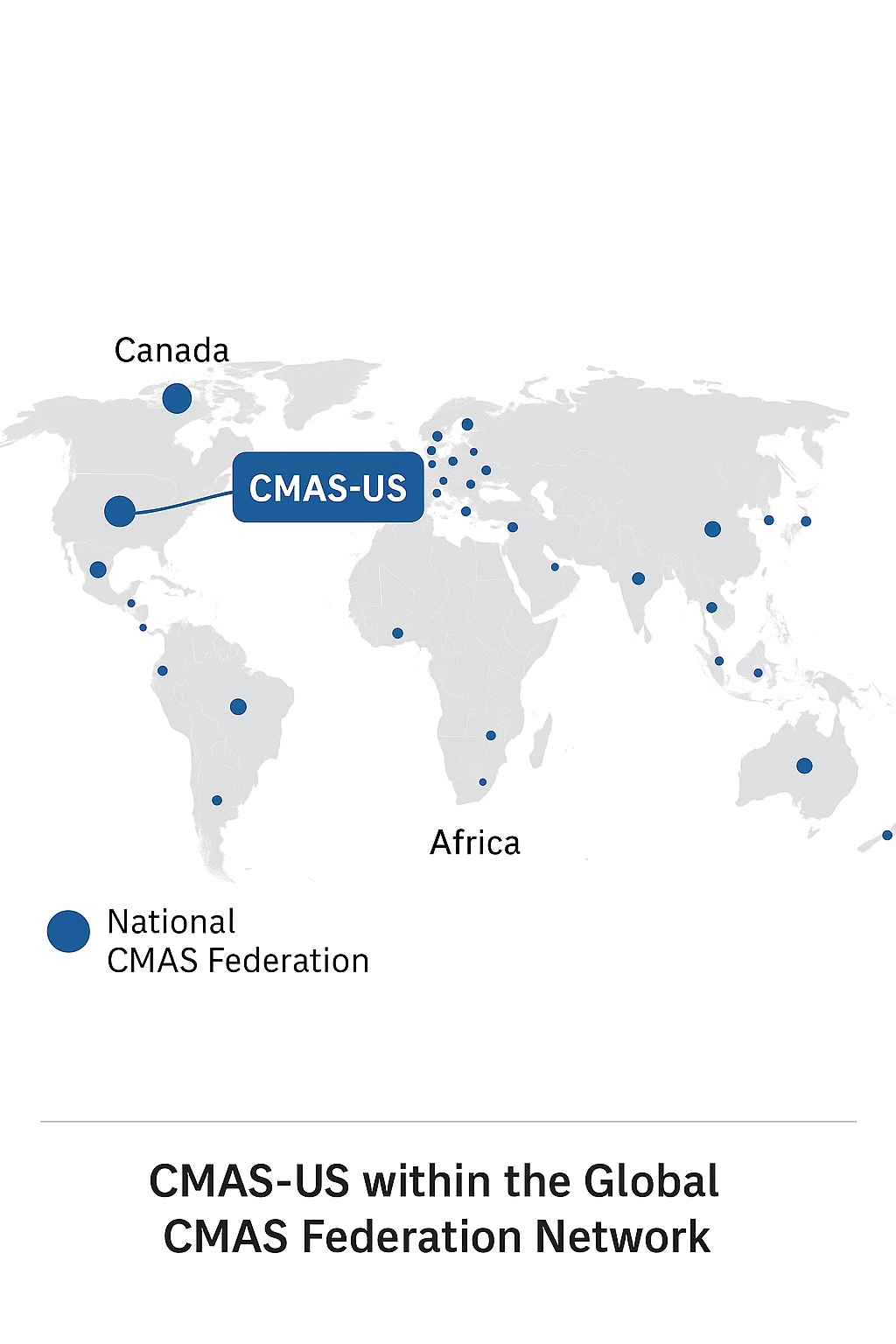
What it is: The World Underwater Federation, founded by Jacques Cousteau, is the oldest international diving federation.
Your Benefit: As a CMAS Scientific Diver, your credentials are recognized by universities and research stations across Europe, Asia, and South America.
Founded in 1959 by Jacques-Yves Cousteau, CMAS is the world’s oldest underwater federation. As a UNESCO partner and the only diving body recognized by the International Olympic Committee (IOC), CMAS provides the international 'passport' for research diving.
2. The Safety Standard (ISO 8804)
What it is: The International Organization for Standardization sets the rigorous safety baselines for working divers.
Your Benefit: We train you to ISO 8804-1 protocols, ensuring you possess the risk management and rescue skills required by international insurance providers.
3. The Legal Standard (AAUS / OSHA)
What it is: The regulatory framework that allows scientists in the US to operate under the "Scientific Exemption," bypassing strict commercial diving laws.
Your Benefit: Your training satisfies the 29 CFR 1910 Subpart T requirements, making you eligible for "Active Status" employment with US universities, NOAA, and government agencies.
Phase 3: Practical Methodologies
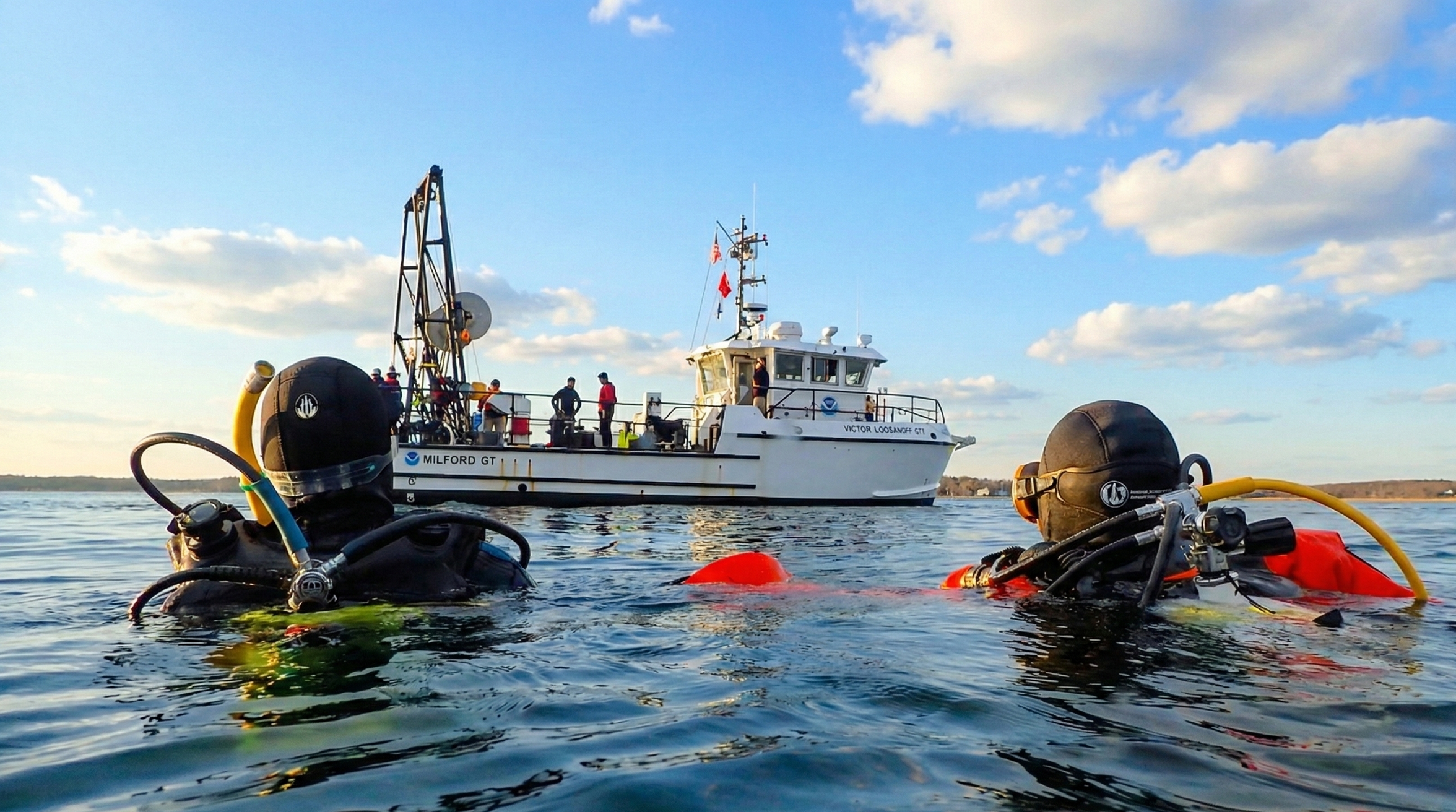
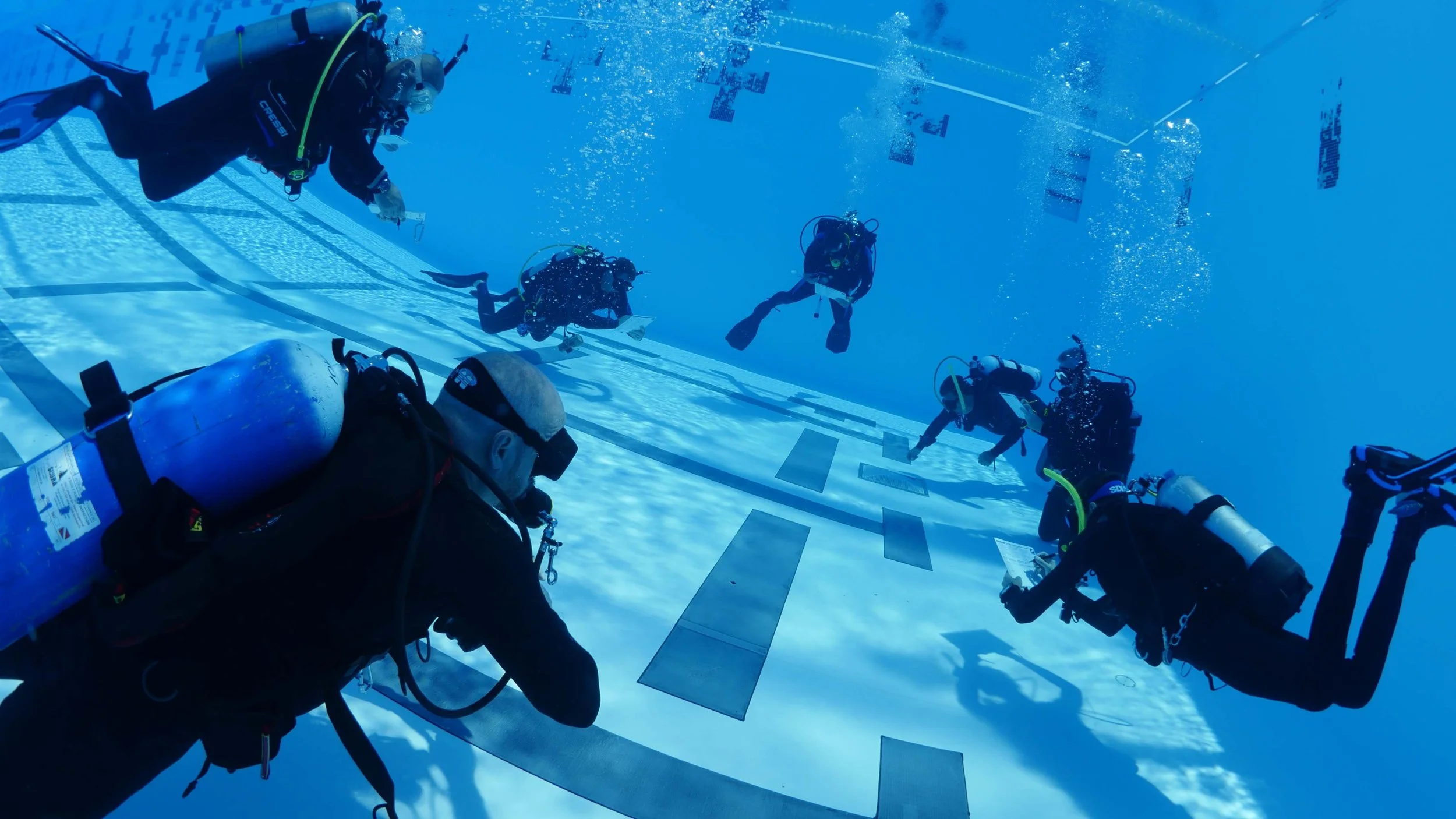
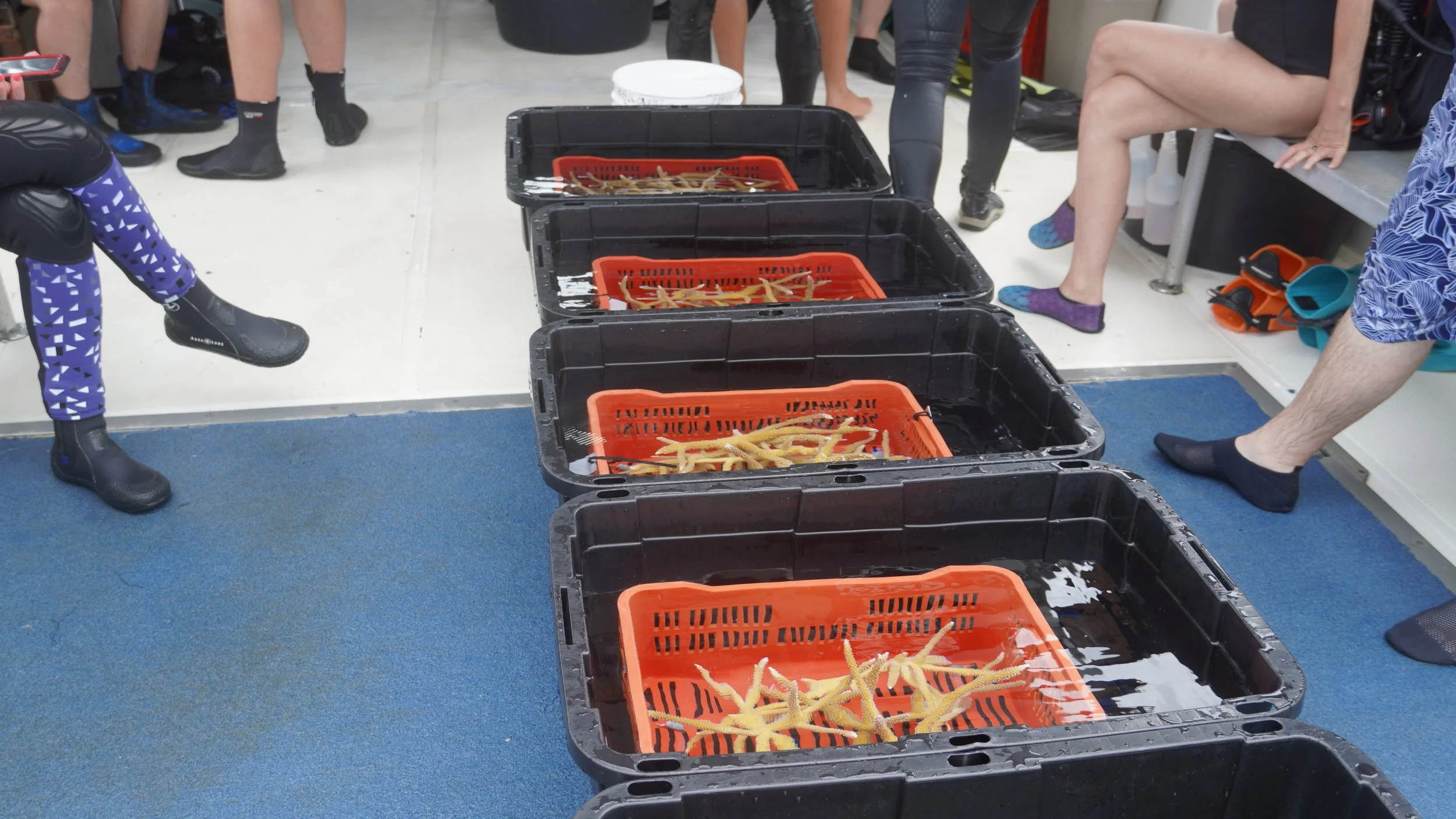
You will apply your skills in the water, mastering the tools of the trade under direct supervision.
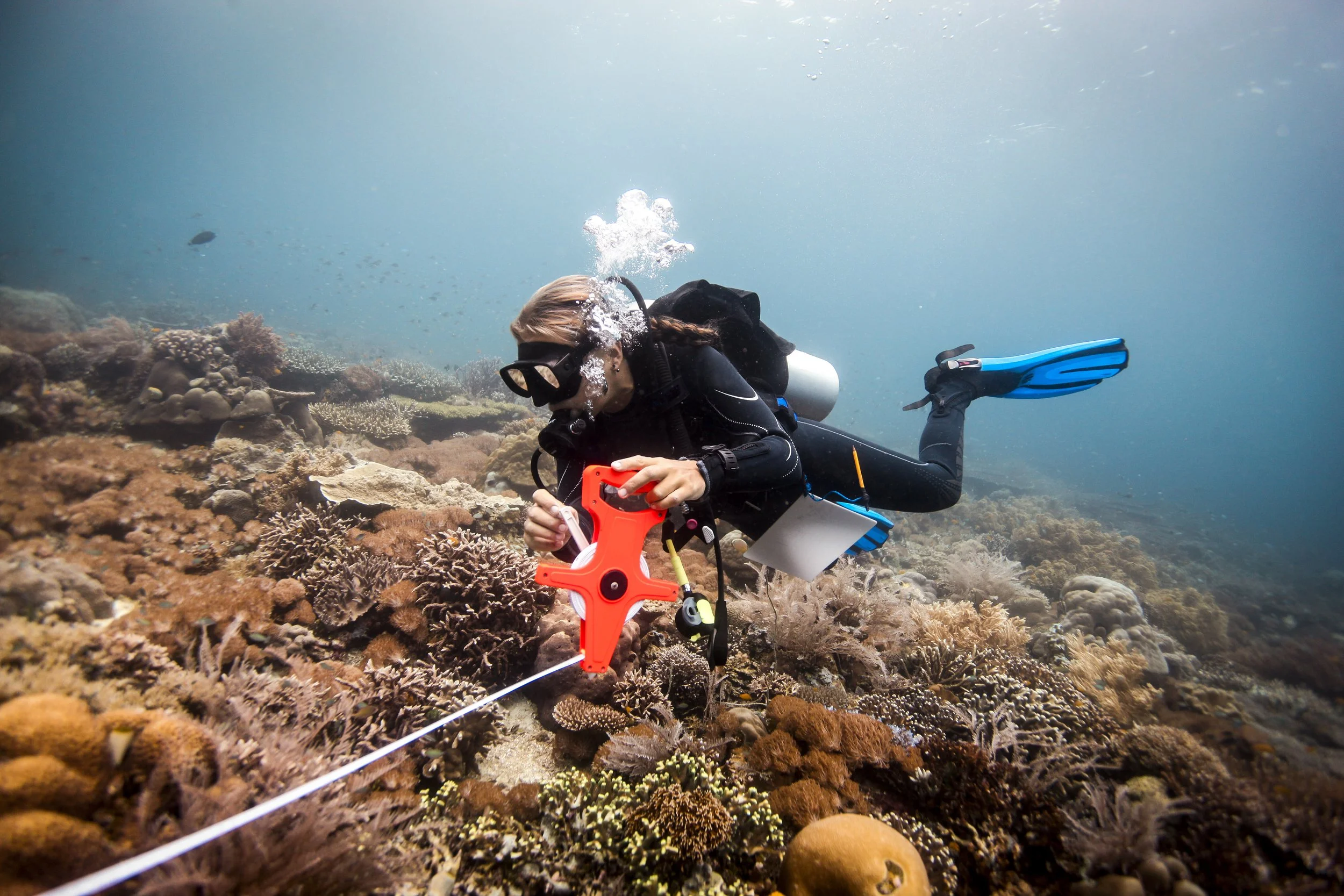
Search & Survey: Execution of Jackstay (100% coverage) and Circular search patterns; precise Transect and Quadrat data collection.
Precision Mapping: Using Trilateration geometry to map sites with sub-centimeter accuracy.
Excavation & Recovery: Safe operation of Lift Bags (utilizing Archimedes' Principle) and Airlifts (suction dredges) for artifact recovery.
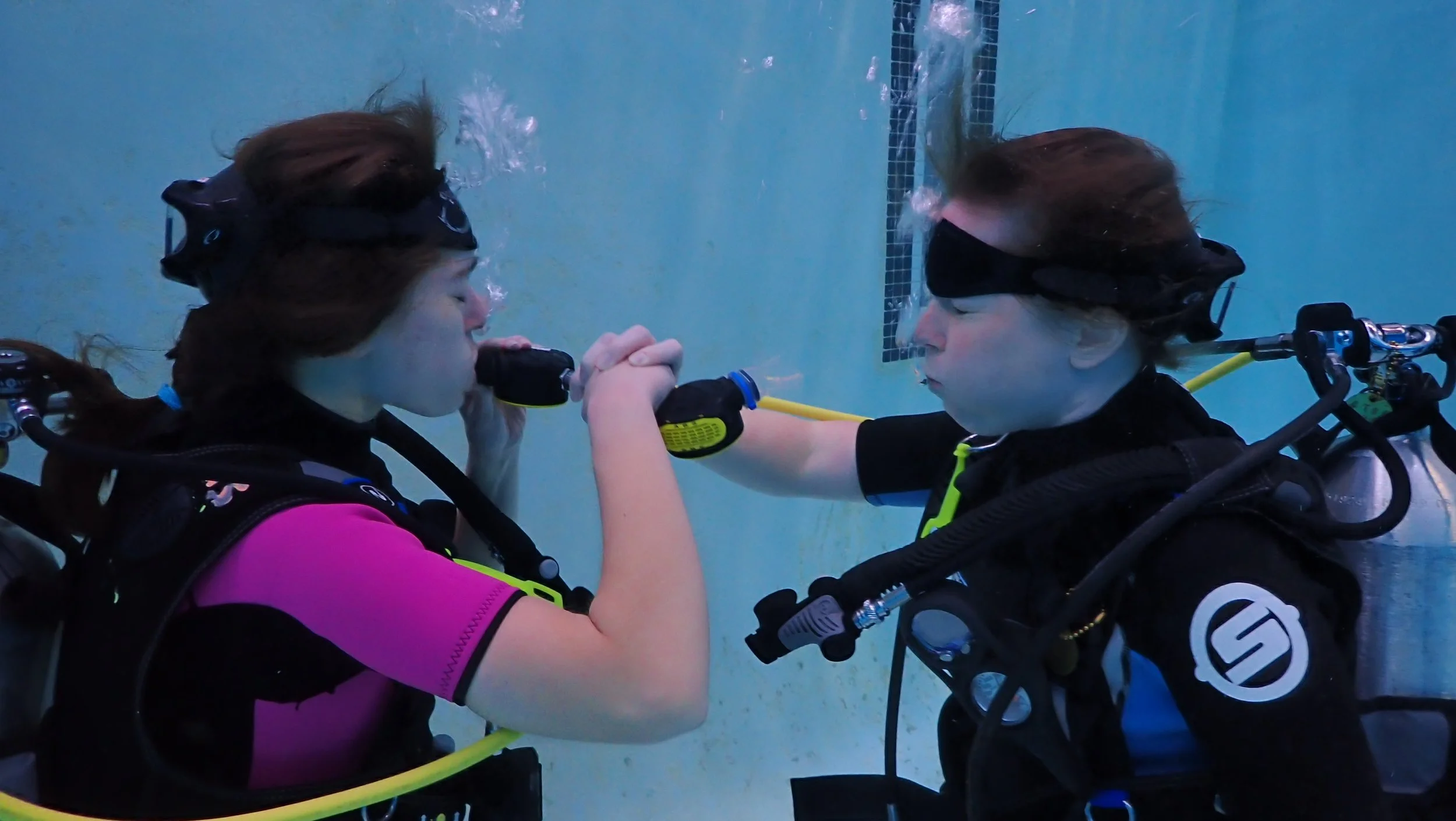
Rescue Ops: Specialized drills for lost buddies, omitted decompression, and unconscious diver recovery.

Phase 2: Advanced Academic Theory
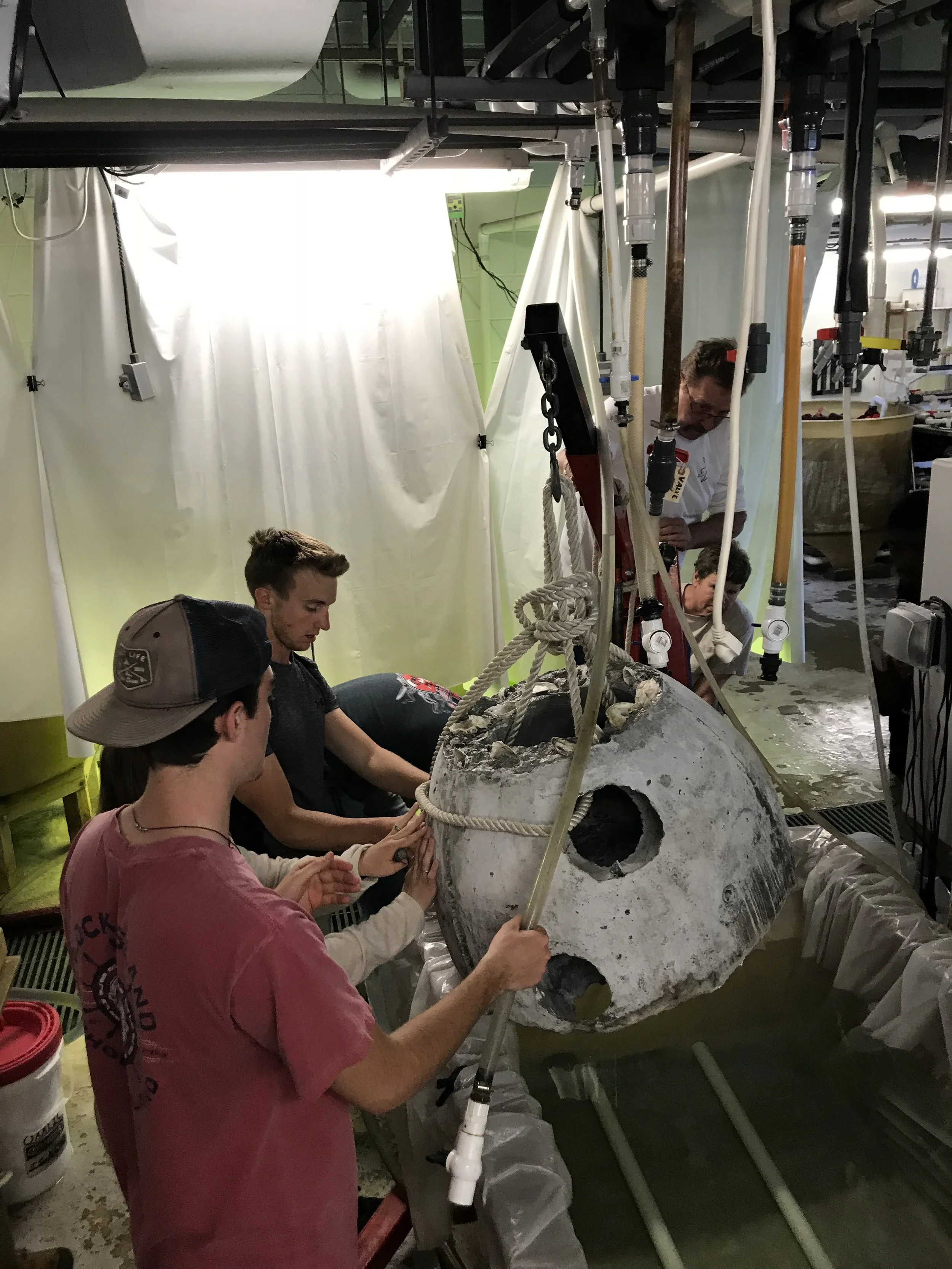
We move beyond basic physics into the specific legal and physiological realities of the working diver.
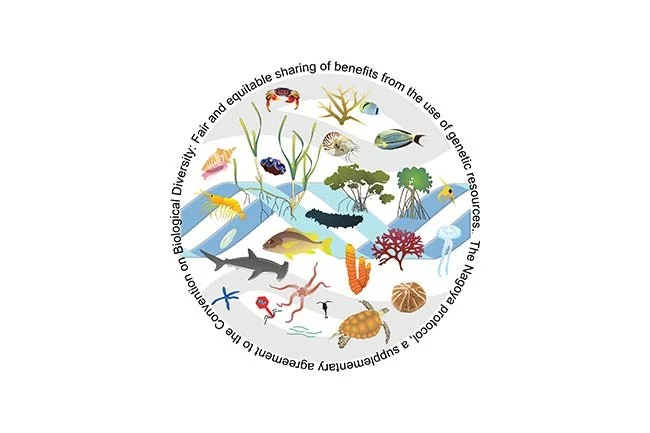
International Law: Understanding the Nagoya Protocol, sampling ethics, and biopiracy laws.
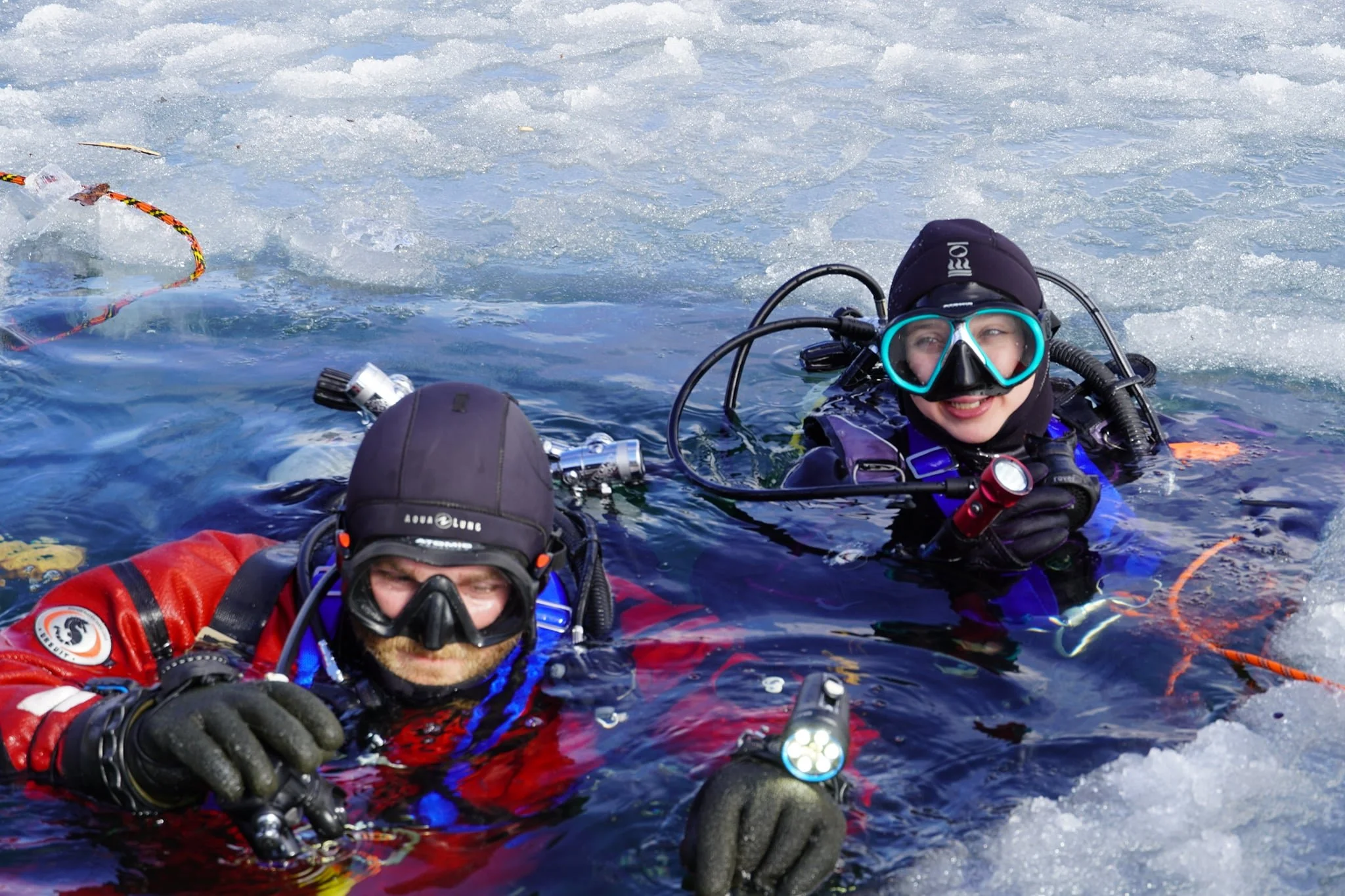
Occupational Physiology: Calculating "Working SAC Rates" for heavy labor and managing thermal stress in cold water (<10°C).
Risk Management: Mastering the "Go/No-Go" decision matrix and the role of the Diving Control Board.
The Curriculum: A Tiered Approach to Mastery
This is not a recreational class. It is an intensive occupational development program consisting of over 160 hours of direct instruction, field application, and independent study.
Phase 1: Preparatory E-Learning (approx. 15 Hours)
Before entering the classroom, candidates must complete a comprehensive home-study suite to build the academic foundation.
Includes: AAUS Research Diver, CMAS Science Diver, Nitrox, and DAN HIRA Level I (Hazard Identification).
Goal: Arrive at the academy ready to apply theory to practice.
Qualification Pathway
The program is designed to get you working immediately while you build toward global mastery.
Certification & Global Portability
The Global Scientific Diver program is designed to meet two distinct international benchmarks. While the 160-hour curriculum provides the knowledge, the distinction between AAUS and CMAS is based on total logged experience:
1. Immediate AAUS Qualification (The 160-Hour Milestone) Upon successful completion of the course and your 12 supervised training dives, you are granted Full AAUS Scientific Diver credentials.
The Result: You are immediately qualified to work under active status on research projects within the United States (Universities, NOAA, NGOs, etc.).
2. The CMAS International Pathway (The Experience Milestone) CMAS (the World Underwater Federation) maintains a higher threshold for full certification to ensure international consistency across global research teams.
Phase A: CMAS Apprentice Scientific Diver: Upon graduation from our program, you earn this rating immediately. You are qualified to work on international research teams under the supervision of a fully certified Scientific Diver.
Phase B: Full CMAS Scientific Diver (CSD): To achieve full international status, CMAS requires a 70-dive experience milestone (including 20 specific scientific task dives). Once you reach this level of experience, your rating upgrades, unlocking your ability to lead or work on international teams in Europe, Asia, and South America.

Program Essentials
Prerequisites
Certification: Open Water Diver (or equivalent).
Age: Minimum 18 years old.
Medical: Must pass a specific Scientific Diver Medical Exam (signed by a physician).
Equipment Standards
Required Personal Gear: Students are only required to provide their own Mask, Fins, Snorkel, and Exposure Protection (Wetsuit/Drysuit appropriate for the environment).
Training Configuration: To mirror professional field conditions, you will be trained on the Academy's technical configuration, including Backplate & Wing (for stability), DIN valves, and Long Hose regulators.
Tuition: $2,000 (All-Inclusive Curriculum)
Certifications Included: AAUS Scientific Diver, CMAS Scientific Diver, Rescue Diver, and Nitrox.
Professional Reference Library: Includes physical copies of the NOAA Diving Manual and the CMAS Scientific Diver Student Manual, plus digital access to the US Navy Diving Manual.
Academic Fees: Covers all AAUS & DAN e-learning modules and certification processing.
Field Costs: Includes all local training dives and equipment workshops.
Exclusions: Tuition does not cover travel expenses, lodging, or meals for remote field trips or expeditions..