
Marine Research & Technical Education Hub
Specialized Support for High School STEM, University Research, and Professional Scientific Diving.
🛡️ Section 1: Target-Specific Program Paths
. High School STEM & Early College
Focus: Bridging the gap between classroom theory and field methodology.
Programs: Coastal ecology field studies, water quality monitoring, and "Intro to Scientific Method" snorkeling/diving workshops.
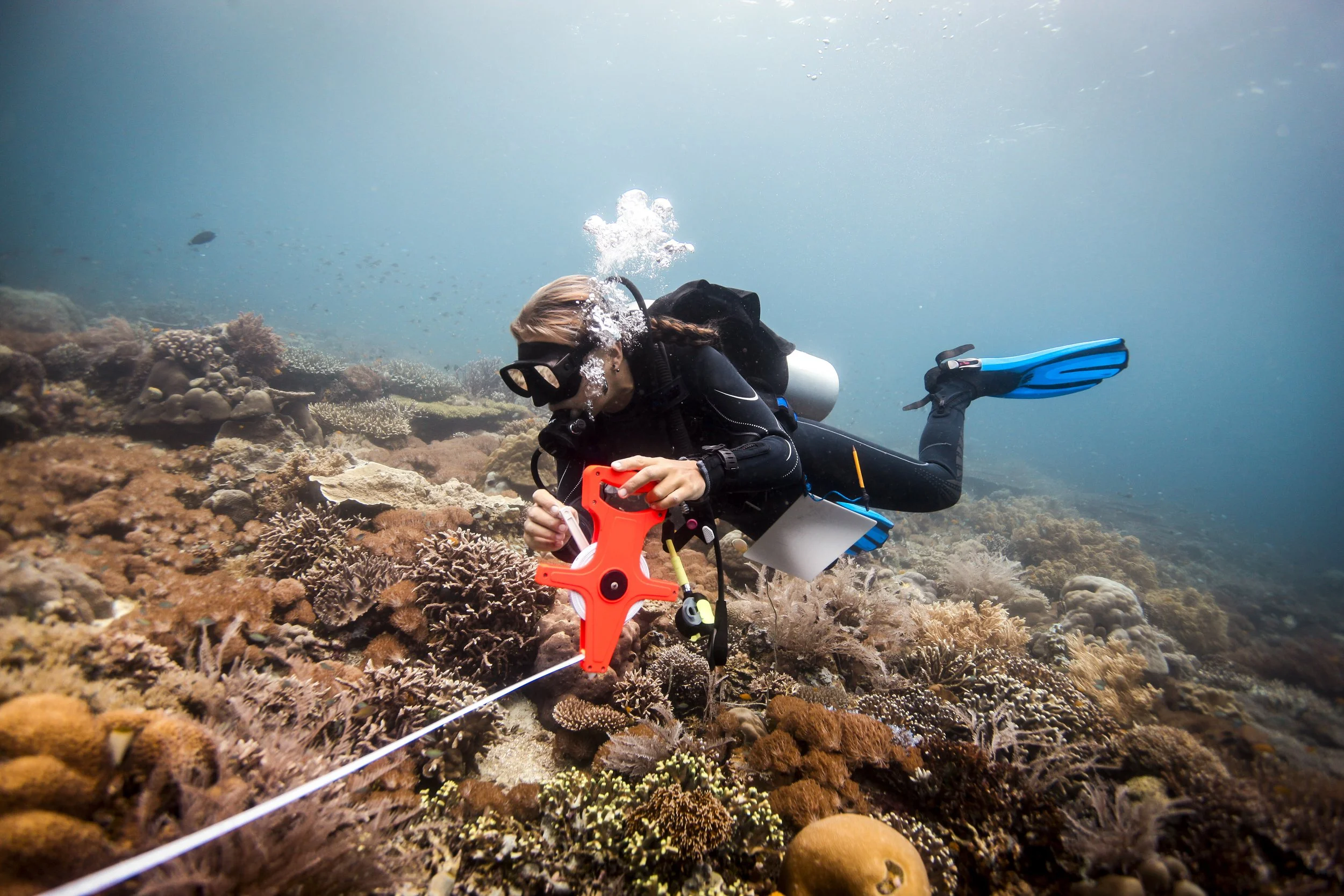
Outcome: Students learn to use quadrats, transects, and data slates in real-world environments.
2. Undergraduate & Graduate Research
Focus: Technical and logistical support for degree-seeking students.
Programs: AAUS-Aligned Standards for scientific diving, independent study support, and thesis data collection.
Outcome: Certified "Diver-in-Training" status and hands-on experience in the Long Island Sound ecosystem.
3. Adult Technical & Citizen Science
Focus: Continuing education for environmental professionals and dedicated enthusiasts.
Programs: Specialized research certifications, invasive species tracking (Asian Shore Crab/Phragmites), and restoration project assistance.
🛡️ Section 2: Ecosystem Specializations
🌿 Marsh & Estuarine Ecology
Activity: Non-diving fieldwork using chest waders and sampling kits.
Studies: Salinity gradients, peat depth analysis, and blue carbon sequestration in CT salt marshes.
🌊 Intertidal & Shoreline Resilience
Activity: Tide-pool surveys and erosion monitoring.
Studies: Evaluating "Living Shorelines" and the health of local shellfish populations (Oyster reefs).
🤿 Subtidal Scientific Diving
Activity: Full SCUBA research operations.
Studies: Substrate mapping, biodiversity counts, and underwater archaeological site monitoring.
🛡️ Section 3: Professional Research & Educational Logistics
Marine Research Expeditions: We serve as a primary logistical partner for independent researchers and environmental agencies. Our research-equipped vessels feature diver-friendly platforms, GPS-coordinated station holding, and ample deck space for real-time sample processing.
Integrated Field Stations: For Educational Expeditions, we establish mobile shoreline labs equipped with multiparameter probes and water-quality testing kits. We ensure faculty and students have safe, guided access to sensitive intertidal zones and high-priority sampling grounds.
Specialized Asset Support: Every mission includes access to our research inventory, including core samplers, benthic grab samplers, and surface-to-diver communication systems. All operations are overseen by Lead Divers to ensure compliance with university-mandated safety protocols.
🛡️ High School STEM: Coastal Ecosystem Dynamics
Program Overview & NGSS Alignment
The Connecticut Scuba Academy provides a rigorous, field-based extension of the high school classroom. Our programs are specifically designed to meet NGSS Performance Expectations, focusing on HS-LS2 (Ecosystems: Interactions, Energy, and Dynamics) and HS-ESS3 (Earth and Human Activity). Students transition from theoretical modeling to active field data collection in Connecticut’s vital salt marshes and estuarine environments.
Core Module 1: Estuarine Biodiversity & Bio-Indicators
The Fieldwork: Students utilize 1m² quadrats and 30m transect lines to conduct population density surveys within the intertidal zone.
Scientific Goal: Identifying and cataloging bio-indicator species to determine the health of the local ecosystem.
NGSS Alignment: HS-LS2-2. Use mathematical representations to support and revise explanations based on evidence about factors affecting biodiversity and populations in ecosystems.
Core Module 2: Marsh Resilience & Blue Carbon Sequestration
The Fieldwork: Peat depth analysis and sediment coring within local salt marshes. Students utilize refractometers to map salinity gradients and multiparameter probes to track pH and dissolved oxygen levels.
Scientific Goal: Quantifying the "Blue Carbon" storage capacity of the shoreline and evaluating the impact of sea-level rise on marsh stability.
NGSS Alignment: HS-ESS3-5. Analyze geoscience data and the results from global climate models to make an evidence-based forecast of the current rate of global or regional climate change.
Core Module 3: Introduction to Subtidal Research Methodology
The Fieldwork: For students pursuing the diving track, we introduce the fundamentals of "Task Loading." This includes buoyancy mastery for delicate environments, underwater site documentation, and the use of scientific data slates.
Scientific Goal: Demonstrating the transition from recreational diving to professional data collection, focusing on standardized protocols used by marine biologists worldwide.
NGSS Alignment: HS-ETS1-2. Design a solution to a complex real-world problem by breaking it down into smaller, more manageable problems that can be solved through engineering.